
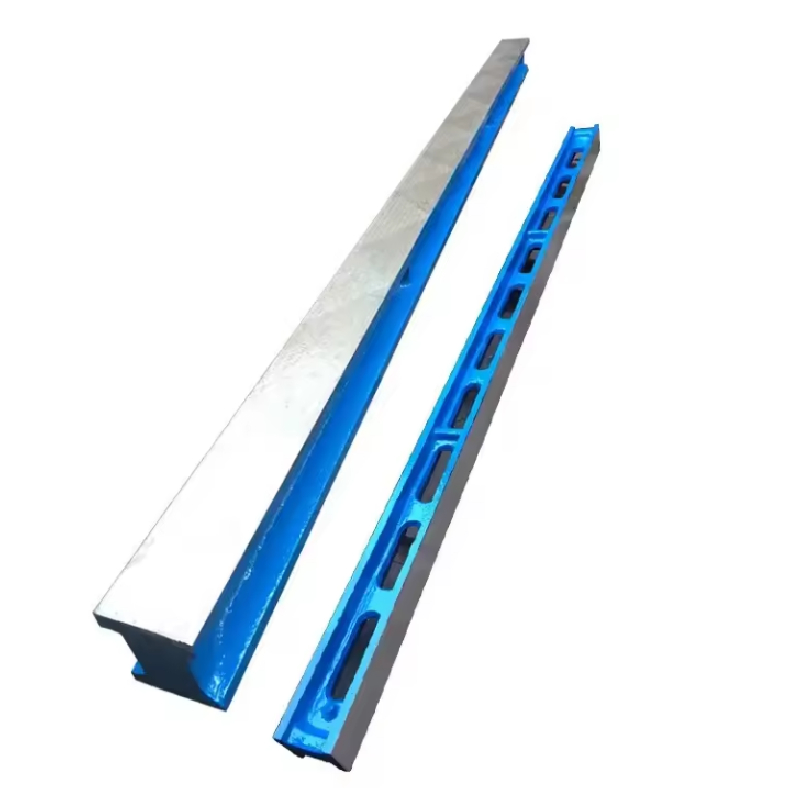
mirror panels cut to size
Understanding the Importance of a Runout Tester in Precision Engineering In the realm of precision engineering, ensuring the accuracy and reliability of mechanical components is crucial. One essential tool that helps in achieving this is the runout tester. Runout, in engineering terms, refers to the degree of deviation from a perfect circle when a component is rotated around an axis. This deviation can result in significant errors in machining processes, leading to reduced efficiency, increased wear, and even equipment failure. Thus, utilizing a runout tester is vital for maintaining high production standards. What is a Runout Tester? A runout tester, sometimes referred to as a dial indicator or a runout gauge, is a specialized instrument used to measure the runout of rotating parts. The device typically consists of a mounted dial gauge that records the rotational deviation of the workpiece as it is rotated. Runout testers can be manual or digital, and they are designed to provide precise readings of the deviation at various points along the radius of the part being measured. Types of Runout Testers There are several types of runout testers available, each suited for different applications 1. Dial Indicators These are the traditional runout testers that use a mechanical dial to provide visual feedback on runout measurement . They are simple to use and highly effective for basic applications. 2. Digital Runout Testers These advanced devices feature electronic sensors and digital displays that offer more accurate readings and additional features such as data logging and connectivity to computers for further analysis. 3. Laser Runout Testers Utilizing laser technology, these testers provide non-contact measurement capabilities with superb accuracy. They are especially useful for high-speed applications and in situations where physical contact with the component is not feasible. Importance of Using a Runout Tester runout tester 1. Precision Measurement The primary advantage of using a runout tester is its ability to measure deviations with high precision. In sectors such as aerospace, automotive, and manufacturing, even the slightest deviation can lead to catastrophic failures. Regular runout testing can ensure that components meet stringent quality standards. 2. Preventive Maintenance By incorporating runout testers into regular maintenance routines, engineers can identify issues before they escalate. Early detection of runout problems can prolong the life of machinery, reduce downtime, and save costs associated with repairs or replacements. 3. Quality Assurance Manufacturers are increasingly required to adhere to strict quality assurance protocols. Runout testing is an essential part of these protocols, helping to ensure that all components produced meet the required specifications and tolerances. 4. Enhanced Performance Accurate measurements lead to better alignment of parts within machines. Properly aligned components experience less friction and wear, which translates directly into enhanced performance, increased efficiency, and lower operational costs. 5. Data Collection and Analysis Modern digital runout testers can store measurement data, allowing engineers to track trends over time. This information can be invaluable in identifying recurring problems and refining manufacturing processes. Applications of Runout Testers Runout testers are utilized in a variety of industries. In the automotive sector, they are used to ensure that brake rotors, flywheels, and shafts are perfectly balanced. In aerospace, runout testing ensures the integrity and performance of critical components like turbine blades and rotor assemblies. Manufacturing industries apply runout measurement in various processes from machining to quality control, ensuring that each part meets the high standards required for safe and effective operation. Conclusion In conclusion, runout testers are indispensable tools in precision engineering. By measuring and correcting runout, manufacturers can maintain higher quality standards, improve operational efficiency, and ensure the longevity of their equipment. As technology advances, the evolution of runout testing devices will continue to enhance the precision of measurements, making them even more integral to engineering practices in the future. As industries strive for perfection, the humble runout tester will remain at the forefront, ensuring that every part functions flawlessly within its intended application.
about
mirror panels cut to size
Grounding a Welding Table Ensuring Safety and Efficiency Welding is a crucial process in various industries, from construction to manufacturing. However, it comes with inherent risks, particularly related to electrical hazards. One of the most effective ways to mitigate these risks is by properly grounding a welding table. This article will explore the importance of grounding a welding table, the methods to achieve it, and the benefits that follow. Importance of Grounding Grounding a welding table is vital for a number of reasons. Primarily, it protects the welder from electrical shock. Welding involves high voltages that can be dangerous without proper safety measures. If a welder accidentally touches a live wire or an electrically charged component, grounding ensures that the electrical current has a safe path to the ground, reducing the risk of serious injury. Moreover, effective grounding helps prevent equipment damage. An ungrounded welding table can lead to electrical surges that might damage the welder or other electronic devices in the vicinity. By establishing a reliable grounding system, businesses can save on repair and replacement costs. Additionally, grounding improves the quality of the welded product. Electrical disturbances can create inconsistencies in the welding arc, leading to weak joints and subpar finishes. Grounding the table minimizes these disturbances, resulting in a cleaner and more efficient welding process. Methods to Ground a Welding Table Grounding a welding table involves a few straightforward steps. First, one must determine the grounding needs of the workspace and select appropriate materials. Generally, metal welding tables are grounded using a copper or aluminum grounding wire. 1. Prepare the Welding Table Ensure that the welding table is clean and free from rust or paint in the area where the ground connection will be made . This is crucial for an effective electrical connection. grounding a welding table 2. Choose the Right Grounding Method - Direct Grounding This involves connecting a grounding wire directly from the welding table to a grounding rod that is securely driven into the earth. This method is straightforward and highly effective. - Electrical System Grounding In some facilities, welding tables can be grounded via the building's electrical system. This requires connecting the table to an appropriate grounding terminal on an electrical panel. 3. Connect the Grounding Wire Use appropriate connectors to attach the grounding wire to the welding table. Bolts or clamps made of conductive material should be used to ensure a strong bond. 4. Test the Grounding Connection After installation, it’s important to test the grounding system. A multimeter can be used to check the continuity of the grounding wire and verify that it has a low resistance connection to the ground. Benefits of Proper Grounding The benefits of grounding a welding table extend beyond safety. First and foremost, it enhances the overall safety of the workplace. The reduction of electrical hazards creates a more secure environment for workers, which can improve morale and productivity. Additionally, grounding contributes to higher quality welds. With a stable ground connection, welders can achieve more consistent arcs and better penetration, leading to stronger joints. This not only enhances product quality but also reduces rework and scrap, ultimately improving efficiency. Improved equipment longevity is another significant benefit. Proper grounding can greatly reduce the wear and tear on welding equipment, ensuring that tools and machines last longer and function at their best. Conclusion In conclusion, grounding a welding table is an essential practice that ensures safety, improves efficiency, and enhances the quality of welds. By understanding the importance of grounding and implementing effective grounding methods, welders and organizations can protect both their employees and their equipment. Regular maintenance and testing of grounding systems are also crucial to ensure ongoing safety and effectiveness in the welding process. In a profession where safety is paramount, a well-grounded welding table is not just an option; it is a necessity.
-

High quality industrial productsagement

High quality industrial products
View Details -

Meet the diverse needs of customers

Meet the diverse needs of customers
View Details -

Strict quality control

Strict quality control
View Details -

Top raw materials

Top raw materials
View Details -

Trusted supplier

Trusted supplier
View Details
Our application


news and information
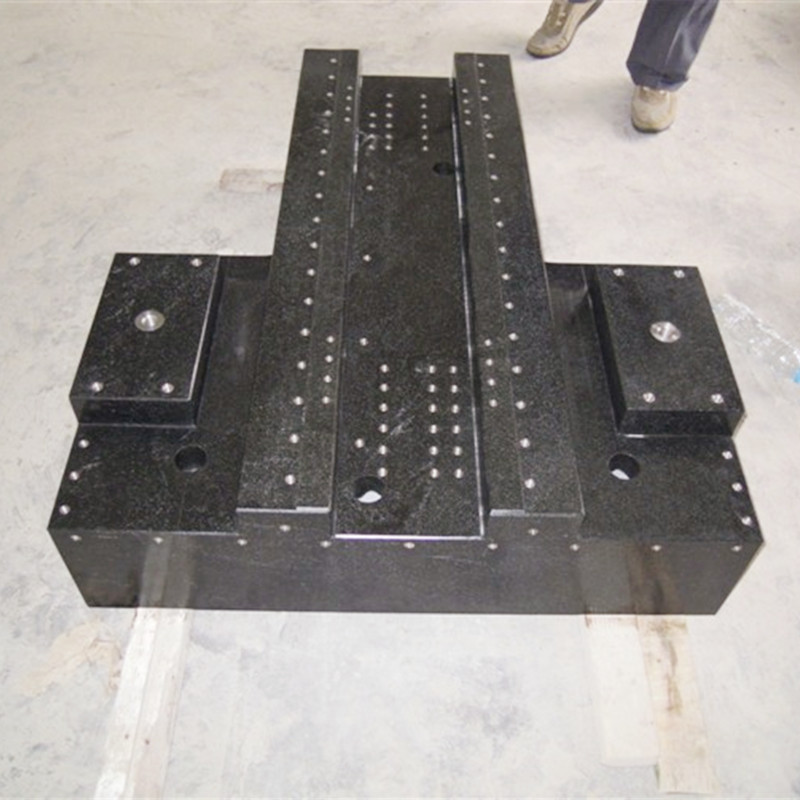
Water Valve Types And Their Delivery Times
Water valves play a crucial role in managing water flow within your home or industrial system. Wheth
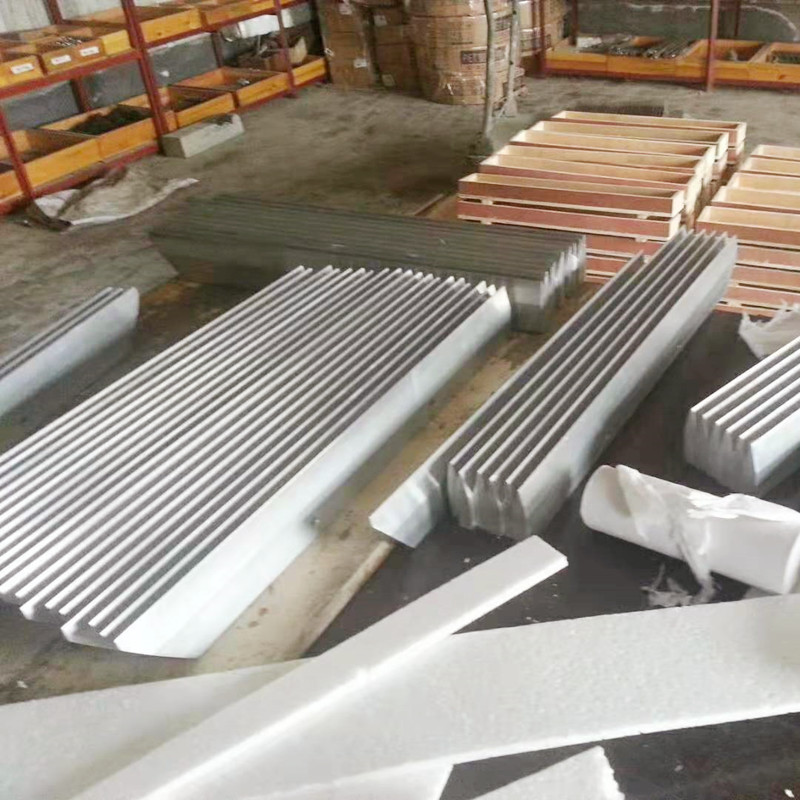
Wholesale Level Insights for Effective Business Strategies and Market Growth
Understanding Level Wholesale A Comprehensive Overview In the ever-evolving landscape of retail and
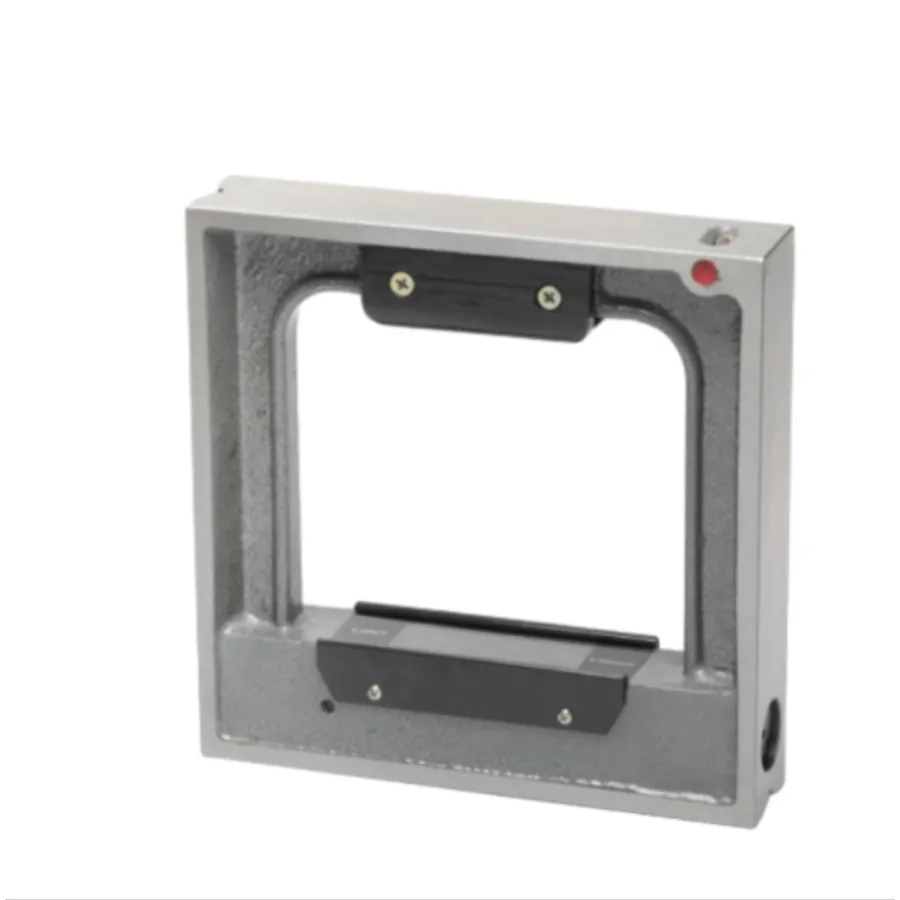
Versatile Welding Table Clamping Kit for Secure Workholding Solutions
The Essential Guide to Welding Table Clamp Kits Welding is an essential skill in many trades, from m
 English